
Tipy a triky pre úspešné hranie v kasíne

Tipy a triky pre úspešné hranie v kasíne

Vyberte si správne kasíno

Pri výbere online kasína je dôležité zvážiť niekoľko faktorov. Skontrolujte licenciu a reguláciu, aby ste sa uistili, že kasíno je dôveryhodné a bezpečné. Mnohé renomované kasína, ako Shikaka, ponúkajú transparentné podmienky a zaručujú ochranu vašich osobných a finančných údajov. Dobrým znakom je aj to, že kasíno má pozitívne recenzie od hráčov a je známe svojou dobrou zákazníckou podporou.

Okrem licencie by ste mali skontrolovať aj ponuku hier. Moderné kasína sa pýšia širokým spektrom hier, od výherných automatov až po živé hry s krupiérmi. Množstvo hier a ich variabilita môžu zásadne ovplyvniť váš zážitok z hrania. Čím viac možností máte, tým ľahšie si nájdete hru, ktorá vám najviac vyhovuje.

Shikaka

Na záver si prečítajte podmienky bonusov a akcií. Mnohé online kasína ponúkajú atraktívne uvítacie bonusy, ale je dôležité rozumieť, aké sú požiadavky na pretočenie a aké sú obmedzenia. Týmto spôsobom sa vyhnete nepríjemným prekvapeniam nielen pri registrácii, ale aj pri následnom hraní.

Správne spravovanie bankrollu

Správa bankrollu je kľúčová pre dlhodobý úspech v kasíne. Je dôležité si stanoviť rozpočet a striktne sa ho držať. Rozdelenie svojho bankrollu na menšie časti vám pomôže predĺžiť herný čas a znížiť riziko rýchlej straty. Zvážte, akú sumu ste ochotní investovať do hry a nikdy neprekračujte túto hranicu, aby ste sa vyhli zbytočnému stresu a finančným problémom.

Okrem stanovenia rozpočtu by ste mali tiež pravidelne vyhodnocovať svoje výsledky. Môže vám to pomôcť identifikovať silné a slabé stránky vašej stratégie. Sledovanie svojich výhier a prehier vám poskytne lepší prehľad o tom, kedy je čas prestať hrať. V niektorých prípadoch môže byť lepšie si vziať prestávku, než sa pokúšať vyhrať späť straty.

Nezabudnite, že hranie by malo byť predovšetkým zábavou. Ak zistíte, že sa už len snažíte získať späť peniaze, je lepšie sa od hry na chvíľu odpojiť. Udržiavanie zdravého prístupu k hraniu pomáha nielen s rozpočtom, ale aj s celkovým zážitkom z kasína.

Strategické hranie hier

Existuje množstvo stratégií, ktoré vám môžu pomôcť zvýšiť vaše šance na výhru. Pri hre na výherných automatoch sa sústredte na volbu strojov s vysokým návratom do hráča (RTP). Tieto stroje zvyčajne vyplácajú viac výhier v dlhodobom horizonte. Rovnako sa oplatí skúšať rôzne hry, aby ste našli tie, ktoré vám najviac vyhovujú a v ktorých sa cítite pohodlne.

Pri hrách ako blackjack alebo poker je dôležitá aj strategická zdatnosť. Učte sa a zlepšujte svoje zručnosti v týchto hrách, pretože sú založené na schopnostiach a pravdepodobnosti. Existuje množstvo online zdrojov, ktoré vám môžu pomôcť osvojiť si základné taktiky a zvýšiť svoje šance na úspech.

Niektoré hry, ako ruleta, sú viac založené na šťastí, ale aj tam je možné aplikovať určité stratégie. Napríklad hranie so systémom sázek môže byť zaujímavou metódou, aj keď nie je zaručené, že prinesie výhru. Vždy je dobré experimentovať a hľadať, čo vám najviac vyhovuje.

Využitie bonusov a akcií

Kasína často ponúkajú množstvo bonusov a akcií pre svojich hráčov. Dôkladne sa oboznámte s týmito ponukami, pretože môžu výrazne zvýšiť váš bankroll. Napríklad uvítacie bonusy sú výhodné pre nových hráčov, ale nezabudnite skontrolovať aj pravidelné promo akcie pre existujúcich hráčov. Takto si môžete udržať zaujímavý herný zážitok a získať ďalšie možnosti na výhru.

Pri využívaní bonusov je dôležité si prečítať podmienky. Všeobecné podmienky môžu obsahovať rôzne požiadavky na pretočenie alebo časové obmedzenia. Dobre si overte, čo musíte splniť, aby ste si mohli vybrať svoje výhry. Tak sa vyhnete sklamaniu, keď budete chcieť vybrať peniaze.

Využívanie bonusov je skvelý spôsob, ako optimalizovať svoje hranie. Môžete si vyskúšať rôzne hry bez toho, aby ste riskovali vlastné peniaze. Taktiež vám to umožní získať cenné skúsenosti, ktoré môžete využiť pri svojich ďalších hrách.

Bezpečné a zodpovedné hranie na Shikaka

Casino je skvelým miestom na bezpečné a zábavné hranie. Platforma zaručuje vysokú úroveň bezpečnosti a transparentnosti, čo je pre hráčov veľmi dôležité. Mnoho užívateľov si užíva širokú ponuku hier, vrátane výherných automatov, rulety a živých hier s krupiérmi, a cení si užívateľsky prívetivé rozhranie.

Na si môžete vychutnať rýchle a jednoduché finančné transakcie. Okrem toho ponúkajú atraktívne uvítacie bonusy a akcie pre nových hráčov, čo zvyšuje hodnotu vášho prvého vkladu. Tento prístup k bonusom a akciám je pridanou hodnotou, ktorá môže obohatiť váš herný zážitok.

Celková atmosféra a kvalitný zákaznícky servis robia ideálnou voľbou pre každého, kto hľadá kvalitnú a pohodlnú zábavu. Prijatie zodpovedného hrania a udržiavanie kontrolovanej zábavy sú prioritou, ktorá pomáha zabezpečiť, že vaše hranie bude zábavné a bezpečné.

Guia prático para a verificação de conteúdo AI: dicas e passos essenciais


A verificação de conteúdo gerado por inteligência artificial (AI) é uma prática essencial na era digital em que vivemos. À medida que a tecnologia avança, a qualidade e a precisão do conteúdo produzido por máquinas devem ser constantemente avaliadas. Para ajudar nesse processo, detectoria – como saber se texto foi feito por ia oferece dicas e passos essenciais para realizar uma verificação eficaz, garantindo que o conteúdo atenda aos padrões desejados de qualidade e confiabilidade.

Os fundamentos que moldam decisões inteligentes sobre a verificação de conteúdo AI

A verificação de conteúdo gerado por AI envolve um conjunto de práticas e critérios para garantir que as informações apresentadas sejam precisas, relevantes e adequadas ao público-alvo. A análise crítica desse tipo de conteúdo é vital, pois ele pode influenciar decisões, opiniões e até mesmo comportamentos dos usuários. Além disso, a rápida evolução das tecnologias de AI traz à tona novos desafios, como a identificação de desinformação e a preservação da ética na criação de conteúdos.

Um aspecto fundamental da verificação é a necessidade de uma abordagem sistemática, onde se considerem tanto os algoritmos utilizados na geração do conteúdo quanto o contexto em que ele é aplicado. A compreensão dos pontos fracos da tecnologia pode ajudar a prevenir a disseminação de informações errôneas e aumentar a confiança do público no que é apresentado.

Como começar a verificação de conteúdo AI

Iniciar o processo de verificação de conteúdo gerado por AI exige atenção e uma abordagem estruturada. Aqui estão os passos essenciais:

  1. Identifique a fonte: Verifique a origem do conteúdo gerado. É importante saber qual algoritmo ou plataforma produziu a informação.
  2. Analise a precisão: Compare as informações com fontes confiáveis e estabelecidas para confirmar sua veracidade.
  3. Verifique a relevância: Avalie se o conteúdo é pertinente ao tópico em questão e se atende às necessidades do público-alvo.
  4. Busque por viés: Esteja atento a qualquer viés ou parcialidade que possa influenciar a apresentação da informação.
  5. Considere o contexto: Entenda em que contexto o conteúdo foi produzido e como isso pode afetar sua interpretação.
  • Identificação clara de fontes fortalece a credibilidade.
  • A precisão minimiza a propagação de informações erradas.
  • A relevância garante uma melhor conexão com o público.

Detalhes práticos para a verificação de conteúdo AI

A aplicação de técnicas práticas para a verificação de conteúdo gerado por AI pode ser feita em diferentes estágios do processo criativo. Por exemplo, ao gerar conteúdo, é crucial que os criadores estejam cientes das limitações da tecnologia. Verificar o conteúdo antes de sua publicação pode evitar a divulgação de informações imprecisas e contribuir para uma comunicação mais responsável e ética.

Além disso, a colaboração entre humanos e máquinas pode ser uma forma eficaz de melhorar a qualidade do conteúdo. Ao mesclar a análise crítica humana com a eficiência da AI, é possível criar um processo de verificação mais robusto, onde erros são identificados e corrigidos de forma mais rápida e eficaz.

  • A implementação de feedback contínuo melhora a qualidade a longo prazo.
  • A colaboração entre humanos e máquinas potencializa resultados.
  • O ajuste de algoritmos com base em falhas identificadas ajuda na evolução do sistema.

Essas etapas, junto com as práticas de verificação, asseguram que o conteúdo gerado por inteligência artificial seja não apenas eficiente, mas também confiável e informativo.

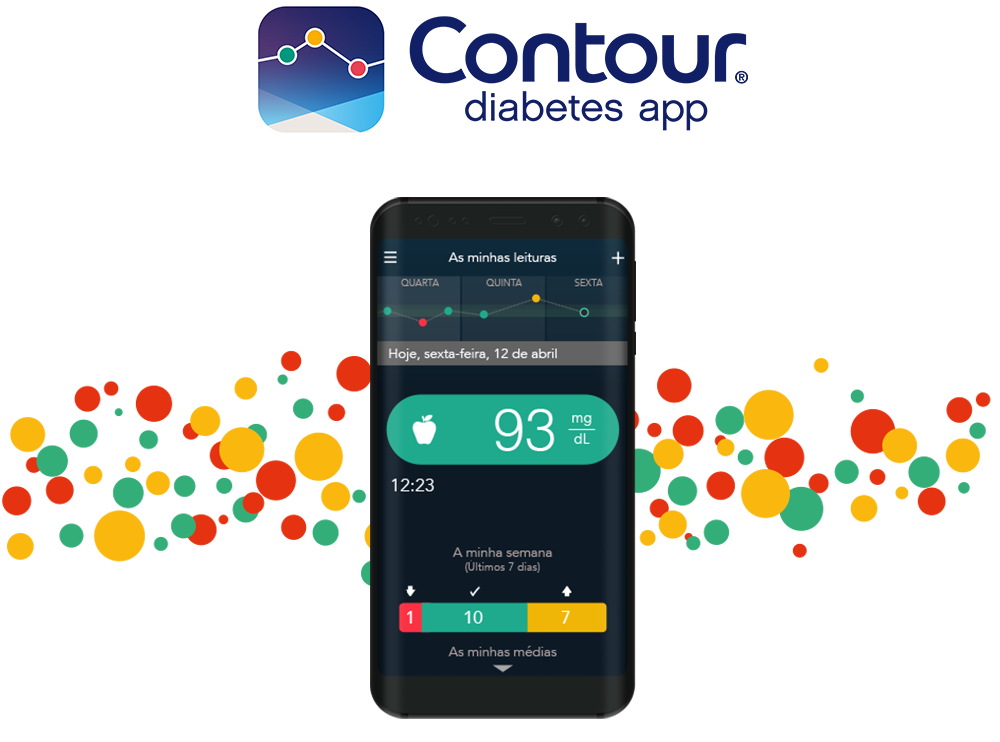
Soluções conectadas para diabetes | CONTOUR®

Principais benefícios da verificação de conteúdo AI

Realizar uma verificação minuciosa do conteúdo gerado por AI proporciona uma série de benefícios importantes. Abaixo estão alguns dos principais motivos pelos quais essa prática é essencial:

  • Redução do risco de disseminação de desinformação.
  • Aumento da confiança do público no conteúdo apresentado.
  • Melhoria da qualidade geral do material produzido.
  • Fomento a um ambiente de comunicação transparente e responsável.

Esses benefícios não apenas ajudam a manter a integridade do conteúdo, mas também contribuem para o fortalecimento da credibilidade da plataforma ou da entidade que o publica.

Confiança e segurança na verificação de conteúdo AI

Um aspecto crítico da verificação de conteúdo gerado por AI é a confiança e segurança no processo. As ferramentas e algoritmos utilizados precisam ser transparentes e auditáveis, garantindo que os usuários possam confiar nos resultados apresentados. Para alcançar isso, é importante investir em tecnologias de verificação e em práticas que assegurem a integridade dos dados.

Além disso, é essencial que as entidades que utilizam AI para criação de conteúdo respeitem normas éticas e legais, evitando violações de privacidade e assegurando que o conteúdo não perpetue discursos de ódio ou desinformação. O comprometimento com a ética fortalecerá a relação de confiança dos usuários com a plataforma.

  • Transparência nos algoritmos utilizados é fundamental.
  • Adoção de práticas éticas previne problemas de reputação.
  • A segurança dos dados gerados e manipulados é uma prioridade.

Por que é crucial a verificação de conteúdo gerado por AI

A verificação de conteúdo gerado por IA é uma estratégia indispensável na atualidade. Com o crescimento exponencial da produção de conteúdo digital, garantir que as informações sejam precisas e relevantes se tornou uma responsabilidade essencial. A prática não apenas protege os usuários de informações falsas, mas também promove um ambiente digital mais saudável.

À medida que as tecnologias de inteligência artificial continuam a evoluir, a necessidade de verificação se tornará ainda mais vital para preservar a qualidade da informação e a confiança do público. Portanto, é fundamental que todos os envolvidos no processo de criação e disseminação de conteúdo adotem práticas de verificação rigorosas e eficazes.

Verantwortungsvolles Spielen Tipps für sicheres Glücksspiel in der digitalen Welt

Verantwortungsvolles Spielen Tipps für sicheres Glücksspiel in der digitalen Welt

Die Grundlagen des verantwortungsvollen Spielens

Verantwortungsvolles Spielen ist ein zentraler Aspekt des Online-Glücksspiels. Dabei geht es nicht nur um die Einsätze, sondern auch um die Einstellung, die Spieler zu ihren Aktivitäten haben. Es ist wichtig, sich darüber im Klaren zu sein, dass Glücksspiel in erster Linie der Unterhaltung dienen sollte und nicht als Einkommensquelle betrachtet werden darf. Spieler sollten sich bewusst machen, dass Glück und Zufall zentrale Elemente sind und dass langfristige Gewinne eher unwahrscheinlich sind.

Ein weiterer wichtiger Punkt ist die Festlegung von persönlichen Grenzen. Dazu gehört, ein Budget festzulegen, das man bereit ist zu verlieren, ohne dadurch in finanzielle Schwierigkeiten zu geraten. Spieler sollten regelmäßig überprüfen, ob sie diese Grenzen einhalten und sich bei Bedarf anpassen, um sicherzustellen, dass das Spielvergnügen nicht zu einer finanziellen Belastung wird. Verantwortungsvolles Spielen erfordert Disziplin und Selbstbewusstsein.

https://wildrobin-swiss.com/

Zusätzlich ist es ratsam, regelmäßig Pausen einzulegen und das Spielverhalten zu reflektieren. Wenn das Spielen anfängt, Stress oder negative Emotionen auszulösen, ist es Zeit, innezuhalten und eventuell Hilfe in Anspruch zu nehmen. Viele Plattformen bieten Werkzeuge zur Selbstkontrolle an, die Spieler unterstützen können, ein gesundes Gleichgewicht zu wahren.

Die Rolle von Glück und Geschick im Glücksspiel

Glücksspiel basiert sowohl auf Glück als auch auf Geschick, wobei die Gewichtung je nach Spiel variieren kann. Bei Casino-Spielen wie Slots ist das Element des Zufalls dominierend. Hier haben Spieler wenig Einfluss auf den Ausgang, da die Ergebnisse durch Zufallszahlengeneratoren bestimmt werden. Dies unterstreicht die Bedeutung eines verantwortungsvollen Umgangs mit Einsätzen, da das Gewinnpotenzial stark limitiert ist.

Andererseits gibt es Spiele wie Poker oder Blackjack, bei denen Fähigkeiten und Strategien eine signifikante Rolle spielen. Hier können Spieler durch gezielte Entscheidungen ihre Gewinnchancen erhöhen. Dennoch sollte auch in diesen Fällen der Zufall nicht unterschätzt werden. Auch die besten Strategien garantieren nicht immer einen Gewinn. Ein spielerisches Verständnis für die eigene Position im Spiel kann jedoch helfen, klügere Entscheidungen zu treffen und verantwortungsvoll zu spielen.

Die Balance zwischen Glück und Geschick im Glücksspiel ist entscheidend. Spieler sollten sich bewusst sein, dass die Erfolge nicht nur auf Fähigkeiten zurückzuführen sind, sondern oft auch auf glückliche Zufälle. Ein gesundes Bewusstsein für diese Dynamik kann helfen, unrealistische Erwartungen zu vermeiden und das Spiel als reines Unterhaltungsangebot zu genießen.

Sicherheitsaspekte beim Online-Glücksspiel

Die Sicherheit beim Online-Glücksspiel ist ein ebenso wichtiger Aspekt wie das verantwortungsvolle Spielen selbst. Spieler sollten sicherstellen, dass sie sich auf lizenzierten und regulierten Plattformen bewegen, die hohe Sicherheitsstandards einhalten. Achten Sie darauf, dass die Webseite über SSL-Verschlüsselung verfügt, um persönliche und finanzielle Daten zu schützen. Ein seriöses Online-Casino wird transparent über seine Lizenzierung und Sicherheitsmaßnahmen informieren.

Darüber hinaus ist es wichtig, verschiedene Zahlungsmethoden zu nutzen, die Sicherheit und Datenschutz bieten. E-Wallets, Kreditkarten und andere sichere Zahlungsoptionen können helfen, finanzielle Transaktionen zu schützen. Spieler sollten auch darauf achten, ihre Passwörter regelmäßig zu ändern und keine sensiblen Informationen in unsicheren Umgebungen zu teilen.

Zusätzlich empfehlen Experten, Sicherheitssoftware auf den Geräten zu installieren, die für das Online-Spiel genutzt werden. Virenschutzprogramme und Firewalls können helfen, das Risiko von Cyberangriffen zu minimieren. Spieler sollten stets wachsam sein und verdächtige Aktivitäten sofort melden, um sich und ihre Daten zu schützen.

Hilfe und Unterstützung für gefährdete Spieler

Es ist wichtig, dass Spieler, die Probleme mit dem Glücksspiel haben, die nötige Unterstützung finden. Viele Online-Casinos bieten Programme und Ressourcen an, die auf die Prävention und Behandlung von Glücksspielsucht abzielen. Diese Programme können von Selbsthilfegruppen bis hin zu professionellen Beratungsdiensten reichen, die auf die spezifischen Bedürfnisse von Betroffenen eingehen.

Ein zentraler Bestandteil dieser Unterstützung ist die Möglichkeit, sich selbst für eine gewisse Zeit vom Glücksspiel auszuschließen. Diese Funktion ermöglicht es Spielern, eine Auszeit zu nehmen und ihre Spielgewohnheiten zu überdenken. Ein verantwortungsbewusster Anbieter wird solche Optionen klar kommunizieren und Unterstützung anbieten, um den Spielern zu helfen, ihre Situation zu verbessern.

Zusätzlich können Familienangehörige und Freunde eine wichtige Rolle spielen, wenn es darum geht, Menschen mit Glücksspielproblemen zu unterstützen. Offene Gespräche über die Herausforderungen und Ängste, die mit dem Glücksspiel verbunden sind, können helfen, ein besseres Verständnis zu entwickeln und alternative Freizeitaktivitäten zu fördern. Es ist wichtig, dass Betroffene wissen, dass sie nicht allein sind und dass Hilfe zur Verfügung steht.

Wildrobin Casino und verantwortungsvolles Spielen

ist eine offizielle Plattform, die sich für verantwortungsvolles Spielen stark macht. Das Casino bietet eine Vielzahl von Spielen aus verschiedenen Kategorien, sodass Spieler die Freiheit haben, das Spiel auszuwählen, das ihren Vorlieben entspricht. Dabei wird großen Wert auf die Sicherheit der Spieler gelegt, indem alle notwendigen Maßnahmen getroffen werden, um ein sicheres Spielerlebnis zu gewährleisten.

Zusätzlich informiert seine Nutzer regelmäßig über verantwortungsvolles Spielen. Die Plattform bietet zahlreiche Ressourcen, darunter Tipps und Werkzeuge zur Selbstkontrolle, um das Spielverhalten positiv zu beeinflussen. Spieler können auf vielfältige Weise in die Entscheidung eingebunden werden, verantwortungsvoll zu spielen, was langfristig zu einem positiven Spielerlebnis führt.

Zusammenfassend lässt sich sagen, dass nicht nur ein Ort für Unterhaltung ist, sondern auch eine Plattform, die aktiv dazu beiträgt, ein sicheres und verantwortungsvolles Glücksspielumfeld zu schaffen. Das Engagement für die Sicherheit und das Wohlbefinden der Spieler steht an erster Stelle, und die angebotenen Hilfsangebote sind darauf ausgelegt, die Spieler in ihrer Entscheidung zu unterstützen und sie auf ihrem Weg zu einem verantwortungsbewussten Spielverhalten zu begleiten.

Coronavirus disease 2019

COVID-19 is a contagious disease caused by the coronavirus SARS-CoV-2. In January 2020, the disease spread worldwide, resulting in the COVID-19 pandemic.

The symptoms of COVID‑19 can vary but often include fever,[7] fatigue, cough, breathing difficulties, loss of smell, and loss of taste.[8][9][10] Symptoms may begin one to fourteen days after exposure to the virus. At least a third of people who are infected do not develop noticeable symptoms.[11][12] Of those who develop symptoms noticeable enough to be classified as patients, most (81%) develop mild to moderate symptoms (up to mild pneumonia), while 14% develop severe symptoms (dyspnea, hypoxia, or more than 50% lung involvement on imaging), and 5% develop critical symptoms (respiratory failure, shock, or multiorgan dysfunction).[13] Older people have a higher risk of developing severe symptoms. Some complications result in death. Some people continue to experience a range of effects (long COVID) for months or years after infection, and damage to organs has been observed.[14] Multi-year studies on the long-term effects are ongoing.[15]

COVID‑19 transmission occurs when infectious particles are breathed in or come into contact with the eyes, nose, or mouth. The risk is highest when people are in close proximity, but small airborne particles containing the virus can remain suspended in the air and travel over longer distances, particularly indoors. Transmission can also occur when people touch their eyes, nose, or mouth after touching surfaces or objects that have been contaminated by the virus. People remain contagious for up to 20 days and can spread the virus even if they do not develop symptoms.[16]

Testing methods for COVID-19 to detect the virus’s nucleic acid include real-time reverse transcription polymerase chain reaction (RT‑PCR),[17][18] transcription-mediated amplification,[17][18][19] and reverse transcription loop-mediated isothermal amplification (RT‑LAMP)[17][18] from a nasopharyngeal swab.[20]

Several COVID-19 vaccines have been approved and distributed in various countries, many of which have initiated mass vaccination campaigns. Other preventive measures include physical or social distancing, quarantining, ventilation of indoor spaces, use of face masks or coverings in public, covering coughs and sneezes, hand washing, and keeping unwashed hands away from the face. While drugs have been developed to inhibit the virus, the primary treatment is still symptomatic, managing the disease through supportive care, isolation, and experimental measures.

Coronavirus disease 2019

COVID-19 is a contagious disease caused by the coronavirus SARS-CoV-2. In January 2020, the disease spread worldwide, resulting in the COVID-19 pandemic.

The symptoms of COVID‑19 can vary but often include fever,[7] fatigue, cough, breathing difficulties, loss of smell, and loss of taste.[8][9][10] Symptoms may begin one to fourteen days after exposure to the virus. At least a third of people who are infected do not develop noticeable symptoms.[11][12] Of those who develop symptoms noticeable enough to be classified as patients, most (81%) develop mild to moderate symptoms (up to mild pneumonia), while 14% develop severe symptoms (dyspnea, hypoxia, or more than 50% lung involvement on imaging), and 5% develop critical symptoms (respiratory failure, shock, or multiorgan dysfunction).[13] Older people have a higher risk of developing severe symptoms. Some complications result in death. Some people continue to experience a range of effects (long COVID) for months or years after infection, and damage to organs has been observed.[14] Multi-year studies on the long-term effects are ongoing.[15]

COVID‑19 transmission occurs when infectious particles are breathed in or come into contact with the eyes, nose, or mouth. The risk is highest when people are in close proximity, but small airborne particles containing the virus can remain suspended in the air and travel over longer distances, particularly indoors. Transmission can also occur when people touch their eyes, nose, or mouth after touching surfaces or objects that have been contaminated by the virus. People remain contagious for up to 20 days and can spread the virus even if they do not develop symptoms.[16]

Testing methods for COVID-19 to detect the virus’s nucleic acid include real-time reverse transcription polymerase chain reaction (RT‑PCR),[17][18] transcription-mediated amplification,[17][18][19] and reverse transcription loop-mediated isothermal amplification (RT‑LAMP)[17][18] from a nasopharyngeal swab.[20]

Several COVID-19 vaccines have been approved and distributed in various countries, many of which have initiated mass vaccination campaigns. Other preventive measures include physical or social distancing, quarantining, ventilation of indoor spaces, use of face masks or coverings in public, covering coughs and sneezes, hand washing, and keeping unwashed hands away from the face. While drugs have been developed to inhibit the virus, the primary treatment is still symptomatic, managing the disease through supportive care, isolation, and experimental measures.

Coronavirus disease 2019

COVID-19 is a contagious disease caused by the coronavirus SARS-CoV-2. In January 2020, the disease spread worldwide, resulting in the COVID-19 pandemic.

The symptoms of COVID‑19 can vary but often include fever,[7] fatigue, cough, breathing difficulties, loss of smell, and loss of taste.[8][9][10] Symptoms may begin one to fourteen days after exposure to the virus. At least a third of people who are infected do not develop noticeable symptoms.[11][12] Of those who develop symptoms noticeable enough to be classified as patients, most (81%) develop mild to moderate symptoms (up to mild pneumonia), while 14% develop severe symptoms (dyspnea, hypoxia, or more than 50% lung involvement on imaging), and 5% develop critical symptoms (respiratory failure, shock, or multiorgan dysfunction).[13] Older people have a higher risk of developing severe symptoms. Some complications result in death. Some people continue to experience a range of effects (long COVID) for months or years after infection, and damage to organs has been observed.[14] Multi-year studies on the long-term effects are ongoing.[15]

COVID‑19 transmission occurs when infectious particles are breathed in or come into contact with the eyes, nose, or mouth. The risk is highest when people are in close proximity, but small airborne particles containing the virus can remain suspended in the air and travel over longer distances, particularly indoors. Transmission can also occur when people touch their eyes, nose, or mouth after touching surfaces or objects that have been contaminated by the virus. People remain contagious for up to 20 days and can spread the virus even if they do not develop symptoms.[16]

Testing methods for COVID-19 to detect the virus’s nucleic acid include real-time reverse transcription polymerase chain reaction (RT‑PCR),[17][18] transcription-mediated amplification,[17][18][19] and reverse transcription loop-mediated isothermal amplification (RT‑LAMP)[17][18] from a nasopharyngeal swab.[20]

Several COVID-19 vaccines have been approved and distributed in various countries, many of which have initiated mass vaccination campaigns. Other preventive measures include physical or social distancing, quarantining, ventilation of indoor spaces, use of face masks or coverings in public, covering coughs and sneezes, hand washing, and keeping unwashed hands away from the face. While drugs have been developed to inhibit the virus, the primary treatment is still symptomatic, managing the disease through supportive care, isolation, and experimental measures.

Coronavirus disease 2019

COVID-19 is a contagious disease caused by the coronavirus SARS-CoV-2. In January 2020, the disease spread worldwide, resulting in the COVID-19 pandemic.

The symptoms of COVID‑19 can vary but often include fever,[7] fatigue, cough, breathing difficulties, loss of smell, and loss of taste.[8][9][10] Symptoms may begin one to fourteen days after exposure to the virus. At least a third of people who are infected do not develop noticeable symptoms.[11][12] Of those who develop symptoms noticeable enough to be classified as patients, most (81%) develop mild to moderate symptoms (up to mild pneumonia), while 14% develop severe symptoms (dyspnea, hypoxia, or more than 50% lung involvement on imaging), and 5% develop critical symptoms (respiratory failure, shock, or multiorgan dysfunction).[13] Older people have a higher risk of developing severe symptoms. Some complications result in death. Some people continue to experience a range of effects (long COVID) for months or years after infection, and damage to organs has been observed.[14] Multi-year studies on the long-term effects are ongoing.[15]

COVID‑19 transmission occurs when infectious particles are breathed in or come into contact with the eyes, nose, or mouth. The risk is highest when people are in close proximity, but small airborne particles containing the virus can remain suspended in the air and travel over longer distances, particularly indoors. Transmission can also occur when people touch their eyes, nose, or mouth after touching surfaces or objects that have been contaminated by the virus. People remain contagious for up to 20 days and can spread the virus even if they do not develop symptoms.[16]

Testing methods for COVID-19 to detect the virus’s nucleic acid include real-time reverse transcription polymerase chain reaction (RT‑PCR),[17][18] transcription-mediated amplification,[17][18][19] and reverse transcription loop-mediated isothermal amplification (RT‑LAMP)[17][18] from a nasopharyngeal swab.[20]

Several COVID-19 vaccines have been approved and distributed in various countries, many of which have initiated mass vaccination campaigns. Other preventive measures include physical or social distancing, quarantining, ventilation of indoor spaces, use of face masks or coverings in public, covering coughs and sneezes, hand washing, and keeping unwashed hands away from the face. While drugs have been developed to inhibit the virus, the primary treatment is still symptomatic, managing the disease through supportive care, isolation, and experimental measures.

Coronavirus disease 2019

COVID-19 is a contagious disease caused by the coronavirus SARS-CoV-2. In January 2020, the disease spread worldwide, resulting in the COVID-19 pandemic.

The symptoms of COVID‑19 can vary but often include fever,[7] fatigue, cough, breathing difficulties, loss of smell, and loss of taste.[8][9][10] Symptoms may begin one to fourteen days after exposure to the virus. At least a third of people who are infected do not develop noticeable symptoms.[11][12] Of those who develop symptoms noticeable enough to be classified as patients, most (81%) develop mild to moderate symptoms (up to mild pneumonia), while 14% develop severe symptoms (dyspnea, hypoxia, or more than 50% lung involvement on imaging), and 5% develop critical symptoms (respiratory failure, shock, or multiorgan dysfunction).[13] Older people have a higher risk of developing severe symptoms. Some complications result in death. Some people continue to experience a range of effects (long COVID) for months or years after infection, and damage to organs has been observed.[14] Multi-year studies on the long-term effects are ongoing.[15]

COVID‑19 transmission occurs when infectious particles are breathed in or come into contact with the eyes, nose, or mouth. The risk is highest when people are in close proximity, but small airborne particles containing the virus can remain suspended in the air and travel over longer distances, particularly indoors. Transmission can also occur when people touch their eyes, nose, or mouth after touching surfaces or objects that have been contaminated by the virus. People remain contagious for up to 20 days and can spread the virus even if they do not develop symptoms.[16]

Testing methods for COVID-19 to detect the virus’s nucleic acid include real-time reverse transcription polymerase chain reaction (RT‑PCR),[17][18] transcription-mediated amplification,[17][18][19] and reverse transcription loop-mediated isothermal amplification (RT‑LAMP)[17][18] from a nasopharyngeal swab.[20]

Several COVID-19 vaccines have been approved and distributed in various countries, many of which have initiated mass vaccination campaigns. Other preventive measures include physical or social distancing, quarantining, ventilation of indoor spaces, use of face masks or coverings in public, covering coughs and sneezes, hand washing, and keeping unwashed hands away from the face. While drugs have been developed to inhibit the virus, the primary treatment is still symptomatic, managing the disease through supportive care, isolation, and experimental measures.

Coronavirus disease 2019

COVID-19 is a contagious disease caused by the coronavirus SARS-CoV-2. In January 2020, the disease spread worldwide, resulting in the COVID-19 pandemic.

The symptoms of COVID‑19 can vary but often include fever,[7] fatigue, cough, breathing difficulties, loss of smell, and loss of taste.[8][9][10] Symptoms may begin one to fourteen days after exposure to the virus. At least a third of people who are infected do not develop noticeable symptoms.[11][12] Of those who develop symptoms noticeable enough to be classified as patients, most (81%) develop mild to moderate symptoms (up to mild pneumonia), while 14% develop severe symptoms (dyspnea, hypoxia, or more than 50% lung involvement on imaging), and 5% develop critical symptoms (respiratory failure, shock, or multiorgan dysfunction).[13] Older people have a higher risk of developing severe symptoms. Some complications result in death. Some people continue to experience a range of effects (long COVID) for months or years after infection, and damage to organs has been observed.[14] Multi-year studies on the long-term effects are ongoing.[15]

COVID‑19 transmission occurs when infectious particles are breathed in or come into contact with the eyes, nose, or mouth. The risk is highest when people are in close proximity, but small airborne particles containing the virus can remain suspended in the air and travel over longer distances, particularly indoors. Transmission can also occur when people touch their eyes, nose, or mouth after touching surfaces or objects that have been contaminated by the virus. People remain contagious for up to 20 days and can spread the virus even if they do not develop symptoms.[16]

Testing methods for COVID-19 to detect the virus’s nucleic acid include real-time reverse transcription polymerase chain reaction (RT‑PCR),[17][18] transcription-mediated amplification,[17][18][19] and reverse transcription loop-mediated isothermal amplification (RT‑LAMP)[17][18] from a nasopharyngeal swab.[20]

Several COVID-19 vaccines have been approved and distributed in various countries, many of which have initiated mass vaccination campaigns. Other preventive measures include physical or social distancing, quarantining, ventilation of indoor spaces, use of face masks or coverings in public, covering coughs and sneezes, hand washing, and keeping unwashed hands away from the face. While drugs have been developed to inhibit the virus, the primary treatment is still symptomatic, managing the disease through supportive care, isolation, and experimental measures.

Coronavirus disease 2019

COVID-19 is a contagious disease caused by the coronavirus SARS-CoV-2. In January 2020, the disease spread worldwide, resulting in the COVID-19 pandemic.

The symptoms of COVID‑19 can vary but often include fever,[7] fatigue, cough, breathing difficulties, loss of smell, and loss of taste.[8][9][10] Symptoms may begin one to fourteen days after exposure to the virus. At least a third of people who are infected do not develop noticeable symptoms.[11][12] Of those who develop symptoms noticeable enough to be classified as patients, most (81%) develop mild to moderate symptoms (up to mild pneumonia), while 14% develop severe symptoms (dyspnea, hypoxia, or more than 50% lung involvement on imaging), and 5% develop critical symptoms (respiratory failure, shock, or multiorgan dysfunction).[13] Older people have a higher risk of developing severe symptoms. Some complications result in death. Some people continue to experience a range of effects (long COVID) for months or years after infection, and damage to organs has been observed.[14] Multi-year studies on the long-term effects are ongoing.[15]

COVID‑19 transmission occurs when infectious particles are breathed in or come into contact with the eyes, nose, or mouth. The risk is highest when people are in close proximity, but small airborne particles containing the virus can remain suspended in the air and travel over longer distances, particularly indoors. Transmission can also occur when people touch their eyes, nose, or mouth after touching surfaces or objects that have been contaminated by the virus. People remain contagious for up to 20 days and can spread the virus even if they do not develop symptoms.[16]

Testing methods for COVID-19 to detect the virus’s nucleic acid include real-time reverse transcription polymerase chain reaction (RT‑PCR),[17][18] transcription-mediated amplification,[17][18][19] and reverse transcription loop-mediated isothermal amplification (RT‑LAMP)[17][18] from a nasopharyngeal swab.[20]

Several COVID-19 vaccines have been approved and distributed in various countries, many of which have initiated mass vaccination campaigns. Other preventive measures include physical or social distancing, quarantining, ventilation of indoor spaces, use of face masks or coverings in public, covering coughs and sneezes, hand washing, and keeping unwashed hands away from the face. While drugs have been developed to inhibit the virus, the primary treatment is still symptomatic, managing the disease through supportive care, isolation, and experimental measures.

When readers ask which newer slot studios deserve a closer look this season, we usually point them toward Crazy Tower, since the lobby mixes classic fruit machines with modern feature-buy titles and the demo mode loads without registration, making it handy for casual comparison.